

Subscribe
Receive up-to-date industry news, how-to tips, exclusive online content, videos, and more by signing up today!

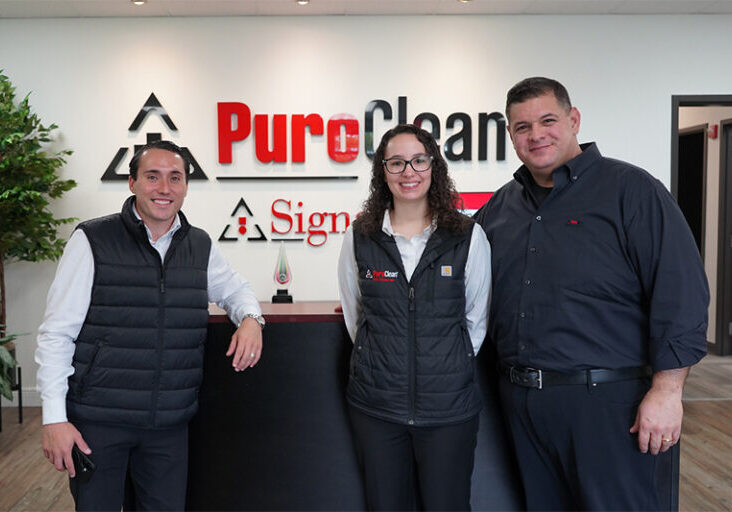
Joe Thomas of PuroClean Named IFA Franchisee of the Year

ISSA Announces 2026 Class of Emerging Leaders
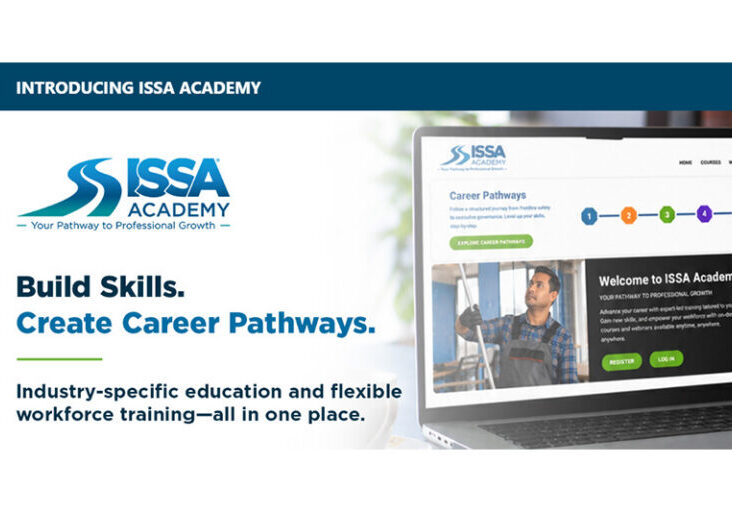
ISSA Launches New ISSA Academy to Transform Professional Development for the Cleaning and Facility Solutions Industries
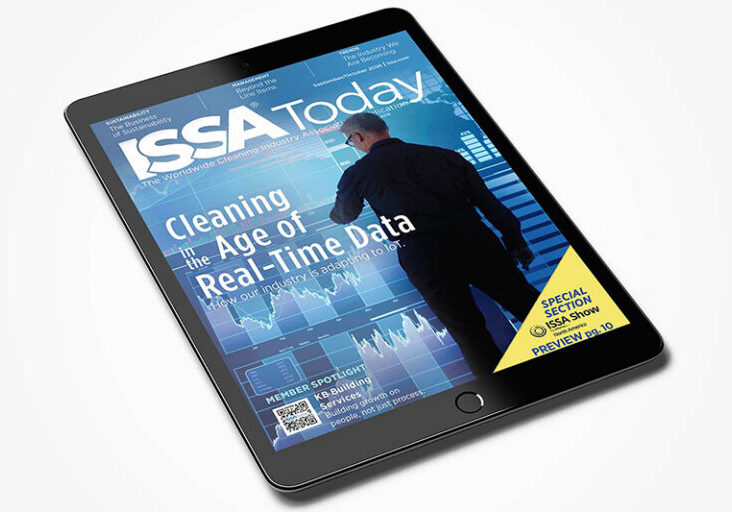
Check Out the September\October 2026 ISSA Today Digital Issue

Register for the Free Cleanfax Webinar: Revenue Growth Through Diversification
NORMI Releases Fall Dates for Training and Certification
Exclusive Content

The Competitive Advantage Your Rivals Can’t Buy
In a crowded cleaning and restoration market, every company is chasing the same customers—and making the same promises. Bigger ads, bolder truck wraps and claims of being “the best” may attract attention, but they rarely build lasting trust. How to do it is surprisingly simple.
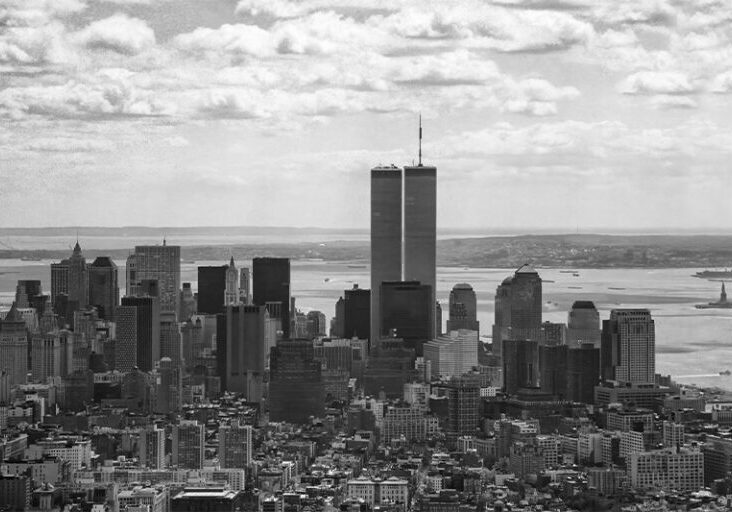
9/11 Air Quality Lessons Learned: Protecting Workers in Today’s Fires
Cleanfax Editor Elizabeth Christenson chatted with Tom Peter, a certified industrial hygienist and member of the regulatory business practice at First Onsite, about the lessons of 9/11, improvements in air quality science and how restoration safety has evolved during the past 25 years.
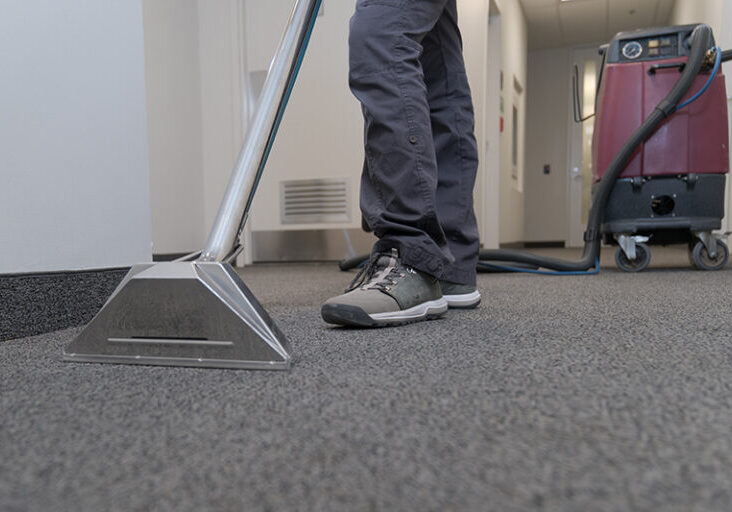
Cleaning’s New Essentials
The most overlooked step in carpet care is having a maintenance plan.
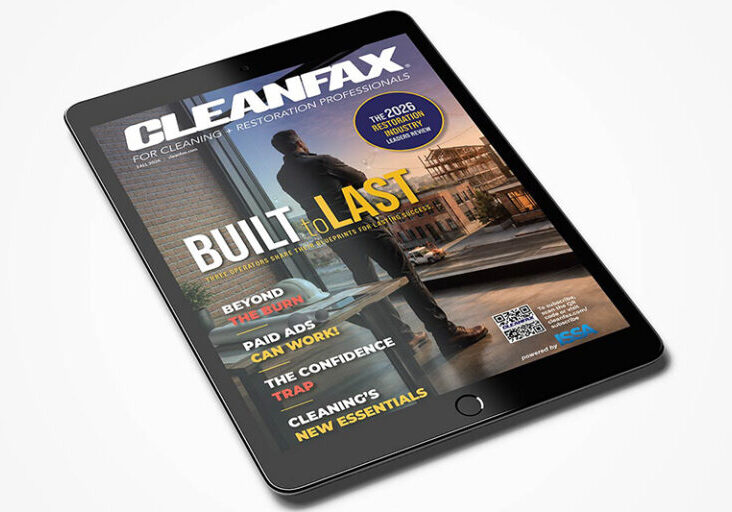
Read the Fall 2026 Cleanfax Digital Issue
The Fall 2026 issue of Cleanfax opens with three restoration operators who agreed to show their work.

The Quiet Power of Care
Care is rarely measured by the tasks we complete. More often, it is measured by the problems we prevent from ever happening.
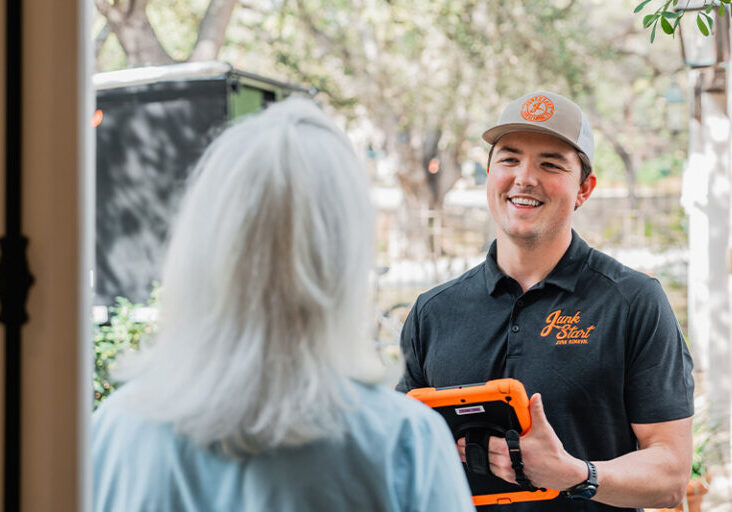
Debris Removal Deserves More Attention on Restoration Projects
Debris removal is one of the first steps on many restoration projects, but it’s often treated as an afterthought.
Subscribe
Receive up-to-date industry news, how-to tips, exclusive online content, videos, and more by signing up today!
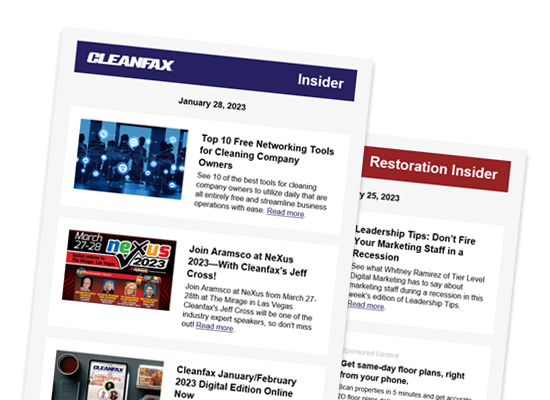
Products & Technologies
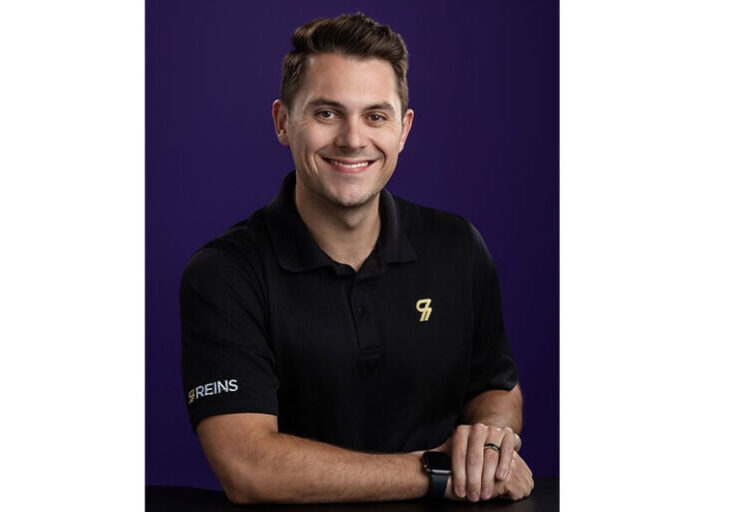
Reins to Offer Alternative Equity Solutions to CORE Group’s Members

The New Rules of Winning Customers in an AI-Driven World

Your Employees Are Using AI. But Are They Still Thinking?

AI in Hiring: What Works, What Doesn’t, and What Employers Need to Know
Upcoming Events
Sept. 9-11 | Las Vegas
The Experience Convention and Trade Show 2026
The Fall Experience is where cleaning and restoration professionals come together to explore every aspect of the industry from start to finish.
Polls
Straight Talk Expert Videos
