



Subscribe
Receive up-to-date industry news, how-to tips, exclusive online content, videos, and more by signing up today!


Take the 2026 Carpet and Floor Cleaning Benchmarking Survey
RIA Requests Dedicated Material Handling Line Items in Xactimate Pricing Database
Reets Drying Academy Launches AI Assistant Ask Reets

Most Workers Say Leadership Makes Decisions They Don’t Understand

Over Half Would Stop Using AI if it Required Payment

New California Law Creates Standards for Wildfire Smoke Testing and Remediation
Exclusive Content
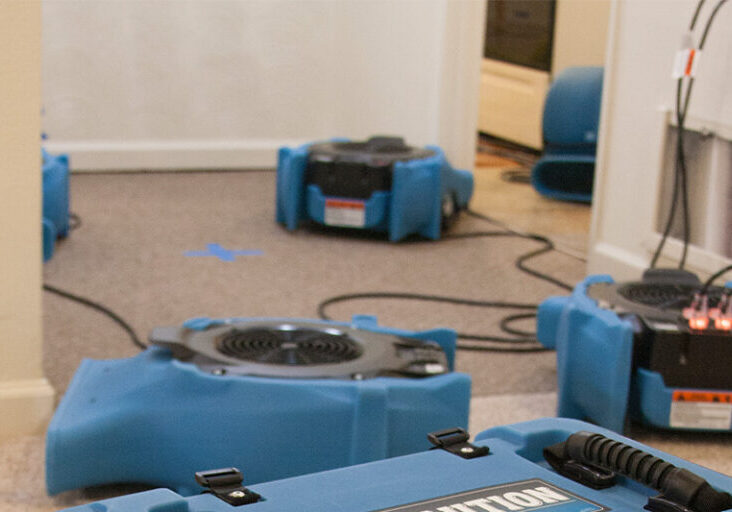
The Restoration Pulse: Monitoring Dehumidifier Performance With an Alternative Method
As equipment technology evolves and environmental conditions grow more complex, professionals are seeking new methods that provide clearer, more reliable insights into how their machines are truly performing on the job.

When Success Doesn’t Feel Like Success
A full schedule and a wall of five-star reviews don’t guarantee an owner who likes the life the company built. The books look great. The schedule is full. The crew is busy, and the reviews keep landing at five stars. Then the owner pulls into the driveway at 7 p.m., shuts off the engine and sits there for a minute. Something is off, and it’s hard to say what.

Paid Ads Can Work!
Many carpet cleaning business owners treat paid ads like slot machines. You put a quarter in and expect a dollar to fall out. You launch a campaign, you wait for the phone to ring, and you tell yourself the jobs are about to roll in. Then the opposite happens. The leads don’t show, the budget disappears, and the return isn’t there. Frustration sets in, and once it passes, you are left staring at the same question: What now?
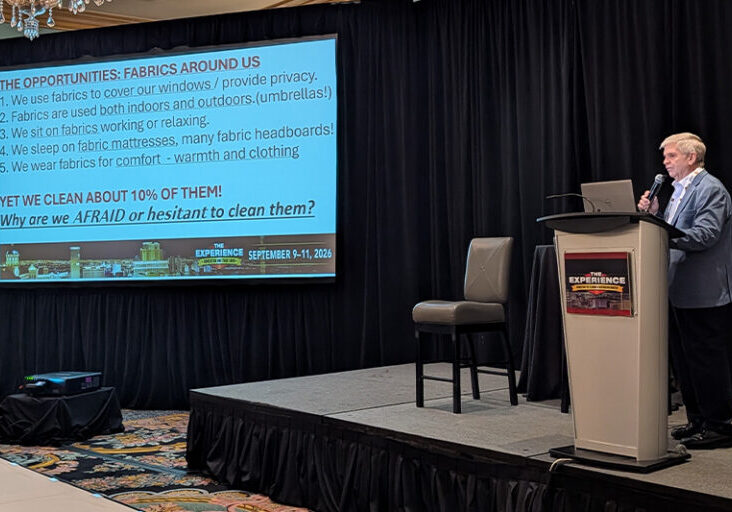
Confronting Fabric Cleaning Issues Once and For All
At last week’s Experience Convention and Trade Show in Las Vegas, Mark Exner, owner and founder of Restoration Training Services, encouraged attendees to trust their training. With so many fabric products in the world, he asked attendees why they were afraid to clean them. “The fear is ridiculous,” said fellow trainer Thomas Cermak, who attended.…
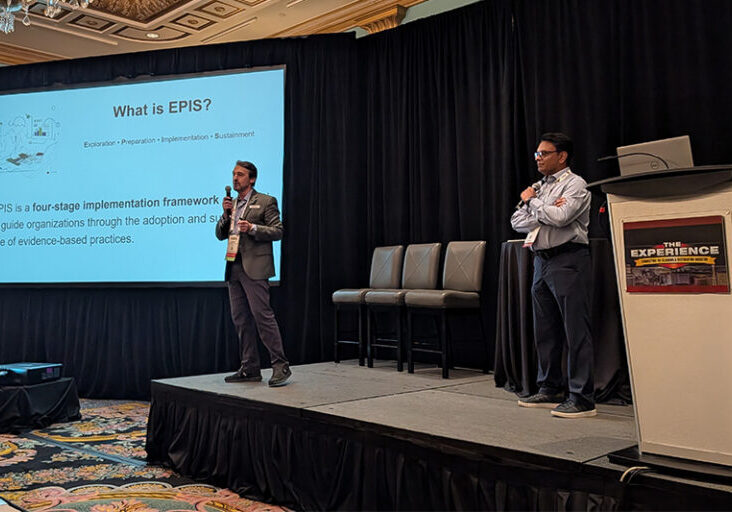
A Framework for Cleaning That Saves Lives
At the Experience Convention and Trade Show last week in Las Vegas, Dr. Gavin Macgregor-Skinner, Senior Director of ISSA, and RJ Patel, founder of PCT Clean and PCT Janitorial in Atlanta, described how a four-stage exploration, preparation, implementation and sustainment (EPIS) framework outlines stages of evidence-based cleaning procedures that helped a children’s hospital in Suva, Fiji, significantly improve how they clean.

Certified to Advocate: Taking Restoration’s Story to Washington
Philip Kahn-Pauli didn’t want to be just another lobbyist walking the halls of Congress on behalf of an industry he’d never worked in. Before he started building relationships with lawmakers as the Institute of Inspection, Cleaning and Restoration Certification’s new Director of Government Relations and Advocacy, he went and got his hands wet. Literally.
Subscribe
Receive up-to-date industry news, how-to tips, exclusive online content, videos, and more by signing up today!

Products & Technologies
RIA Requests Dedicated Material Handling Line Items in Xactimate Pricing Database
Reets Drying Academy Launches AI Assistant Ask Reets
Over Half Would Stop Using AI if it Required Payment
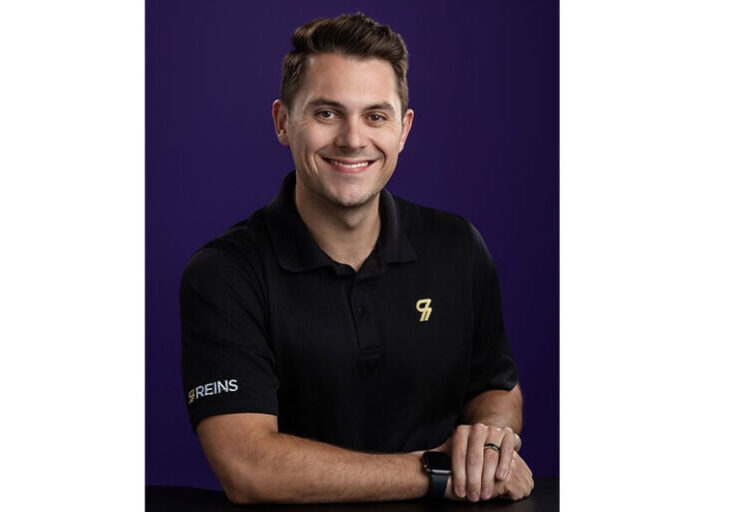
Reins to Offer Alternative Equity Solutions to CORE Group’s Members
Upcoming Events
Oct. 6 | Online
Revenue Growth Through Diversification
Relying on a single revenue stream can limit growth and increase risk. In this session, we explore how to strategically diversify your services without stretching your team too thin.
Polls
Straight Talk Expert Videos
